O Picón
The remote and glacial memory of Gondwana
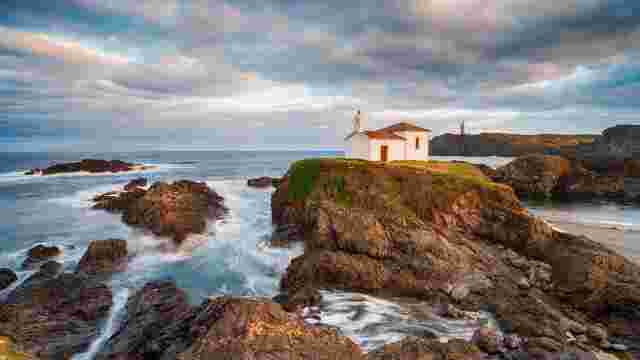
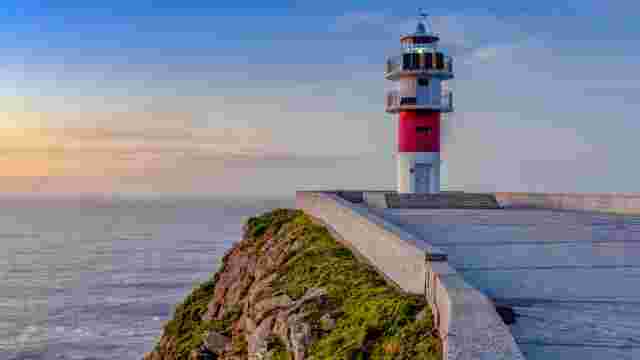
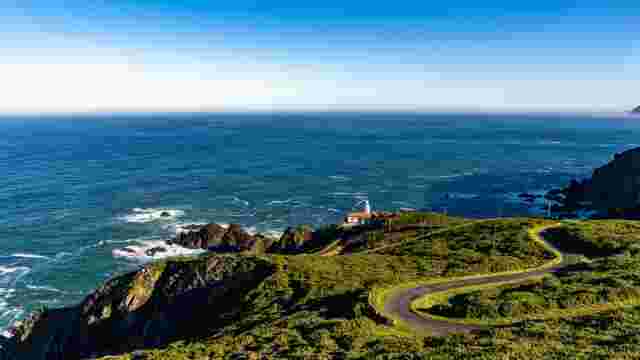
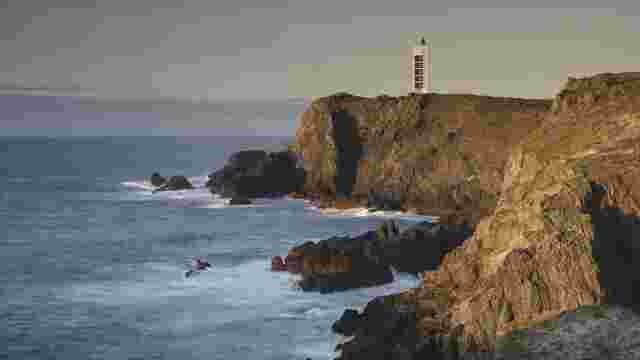
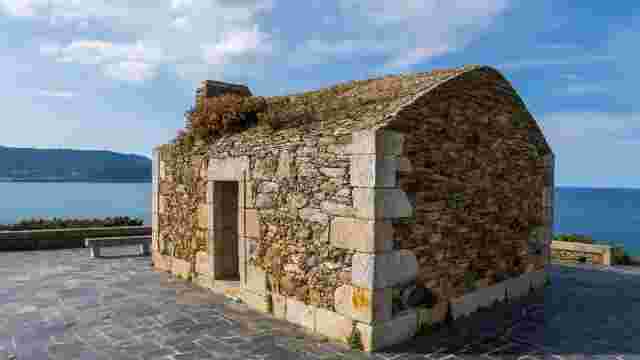
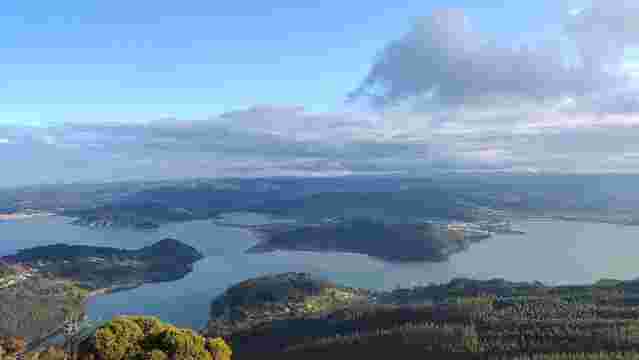
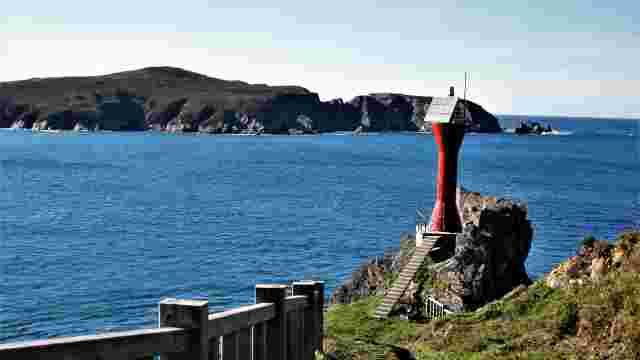
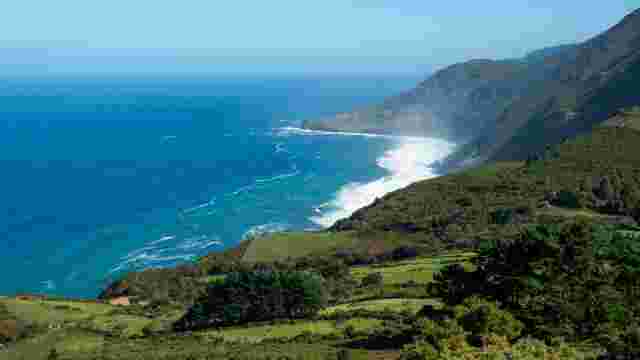
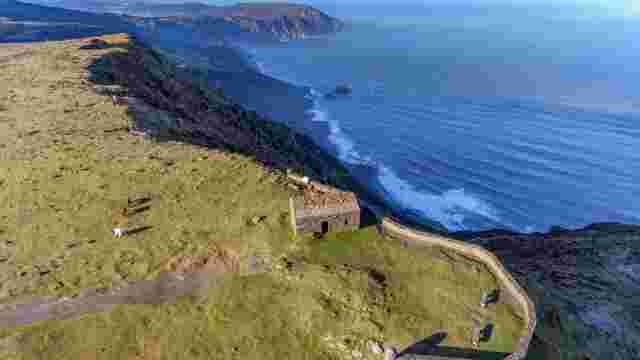
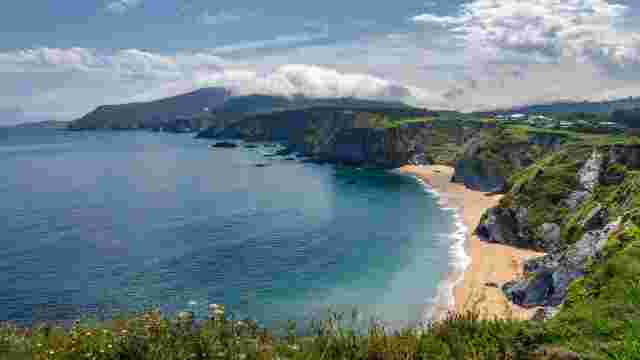
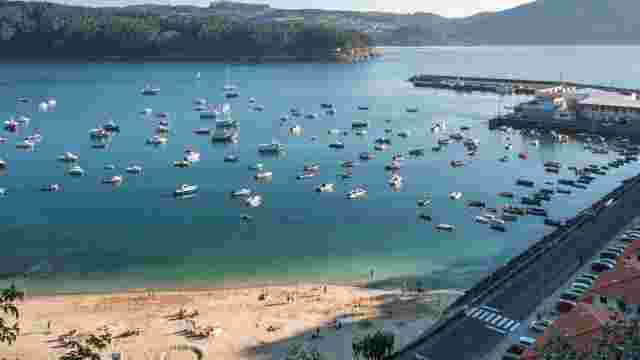
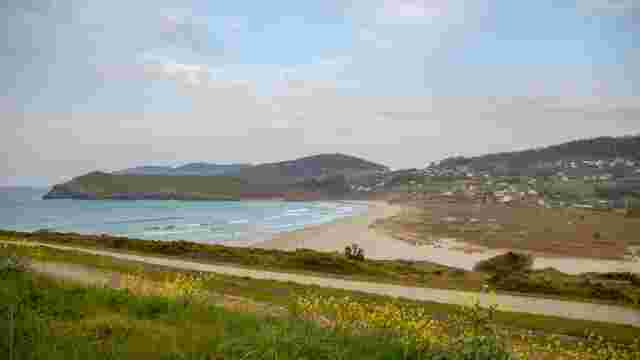
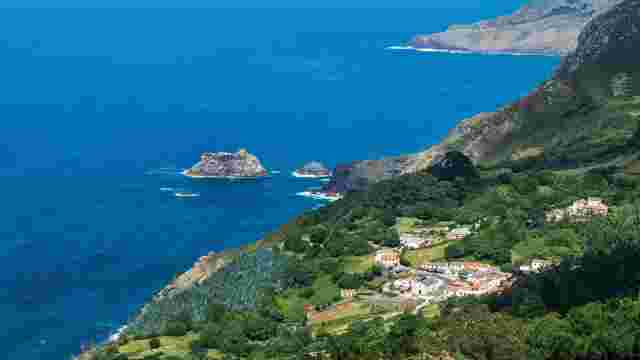
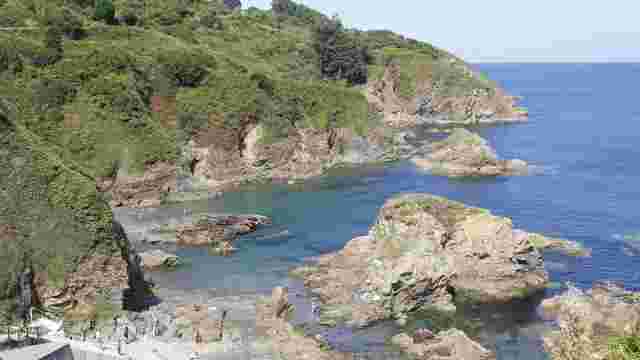
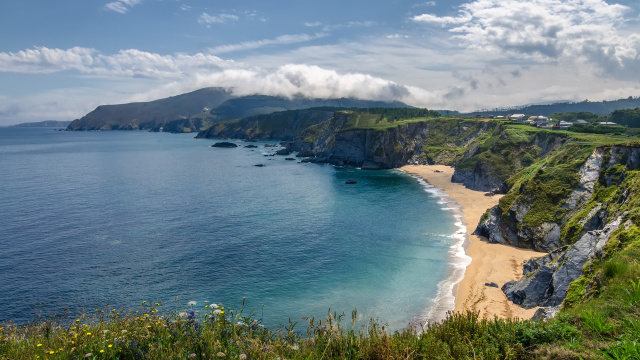
In the vicinity of O Picón, more than a hundred metres above sea level, is the so-called ‘the best bench in the world’. From this viewpoint, to the east you can see Estaca de Bares, the northernmost point of the Iberian Peninsula, and to the west, Cabo Ortegal. The bench sits on 450-million-year-old rhyolites, pink-coloured rocks that emerged from a volcanic arc during the Ordovician period. Its original volcanic texture is still recognisable, helping us to identify the eruptions of this ancient continental margin.
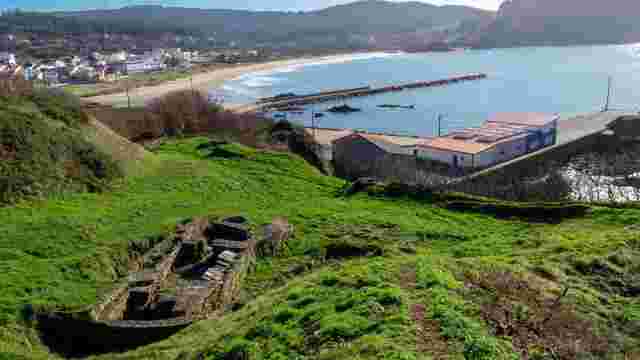
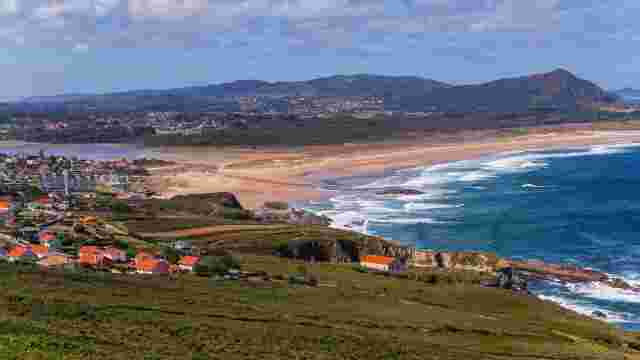
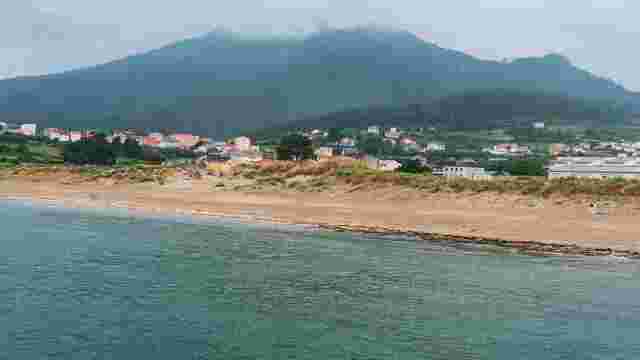
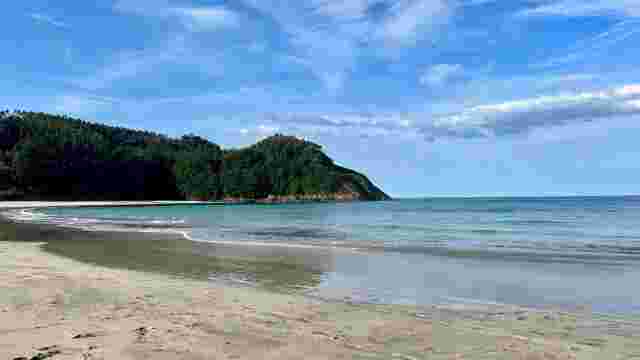
One kilometre to the east is O Picón beach, which contains slate rocks and stones belonging to the autochthonous domain, so called because its rocks, unlike the allochthonous materials of Cabo Ortegal Complex, were formed in this same location. The most surprising thing about these rocks is that they tell us about a glacial past. These are glaciomarine deposits formed in the Ordovician period, some 450 million years ago, on the Gondwana margin. They contain fragments of rocks transported by icebergs in a primitive ocean. The original clays from which the slate originates were part of a sedimentary basin on the Gondwana margin. The continent was covered by a large ice cap. The icebergs that broke off from this cap contained blocks of rock torn away by the flowing glaciers. As the drifting ice melted, it dropped blocks of rock of varying sizes onto these clays. These are the drop stones that have made this slate a world-famous formation, studied by numerous specialists. The cold Ordovician period seems to linger in some way on this beach in O Picón.
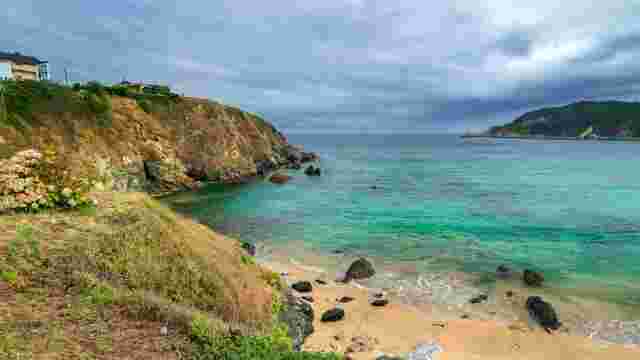
As a place of geological interest, these rocks are exceptional witnesses to Galician Palaeozoic volcanism, later transformed by Variscan orogeny. At sunset, when the golden light caresses the rhyolites, the contrast between the colour of the rock and the blue of the sea creates a spectacle that justifies the fame of this viewpoint.