Cala do Peiral
The echo of a Cambrian ocean
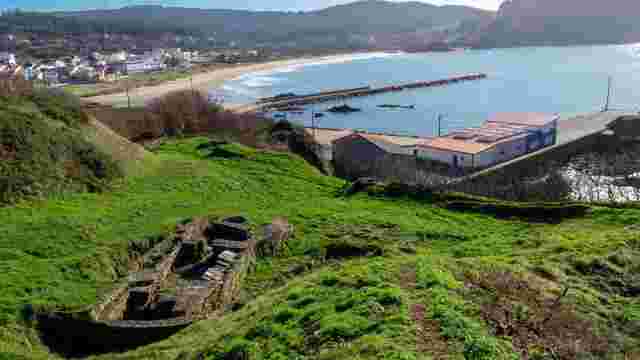
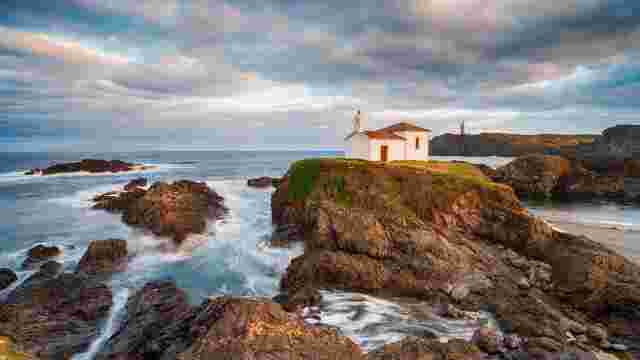
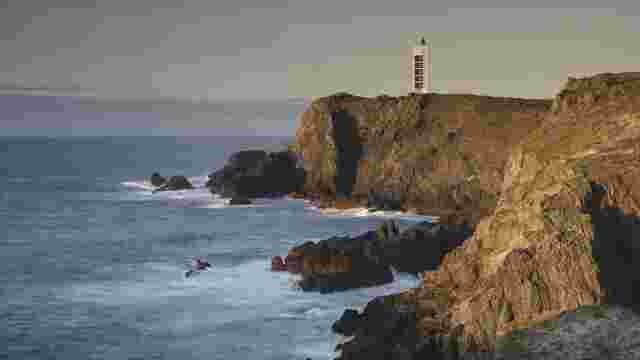
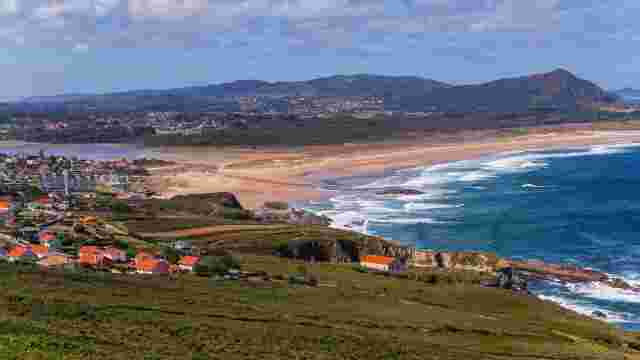
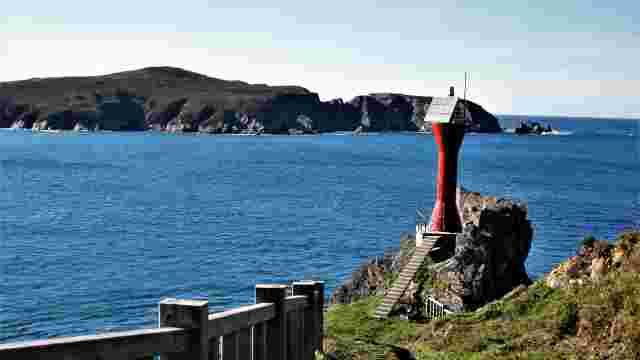
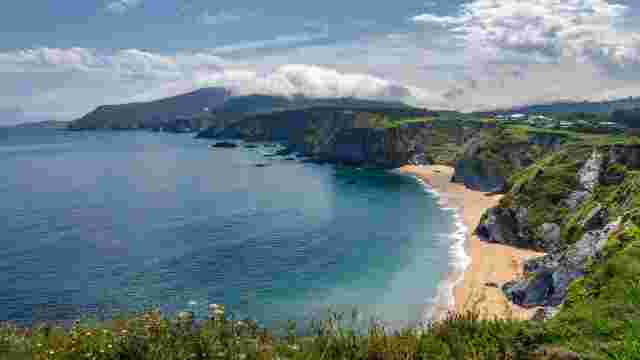
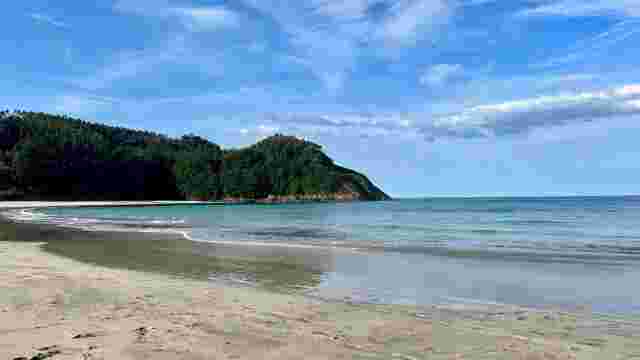
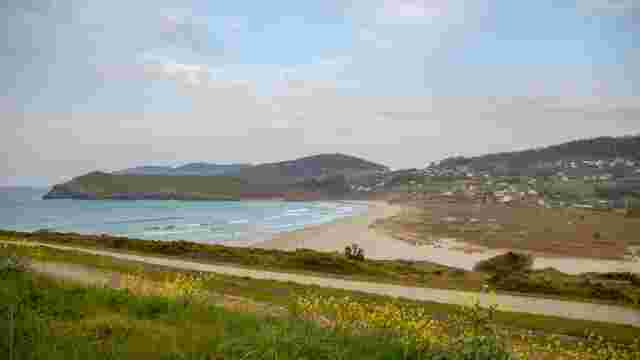
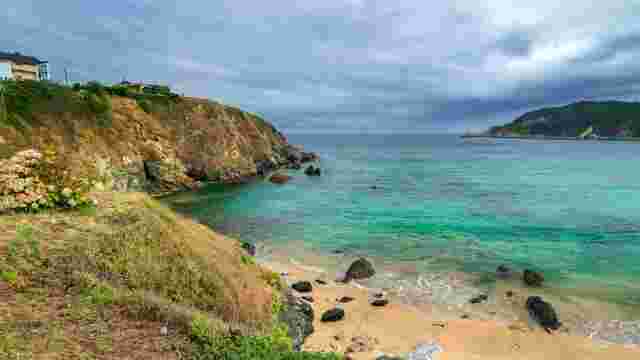
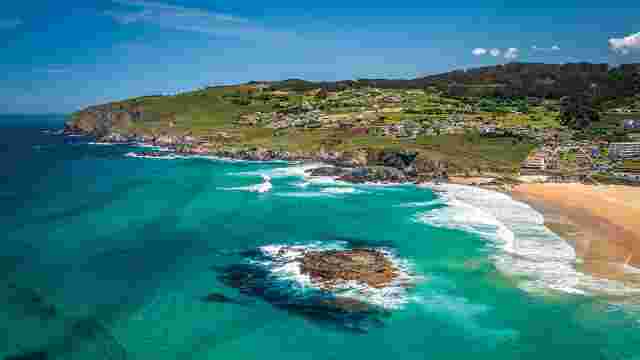
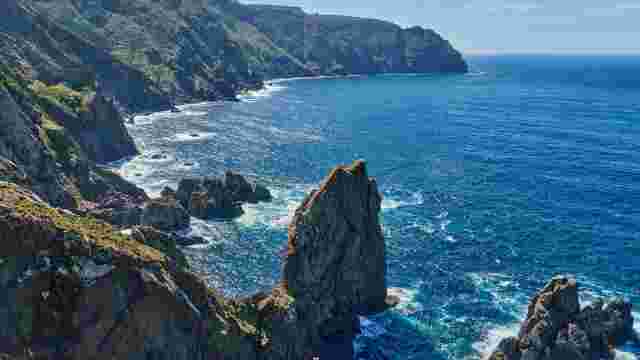
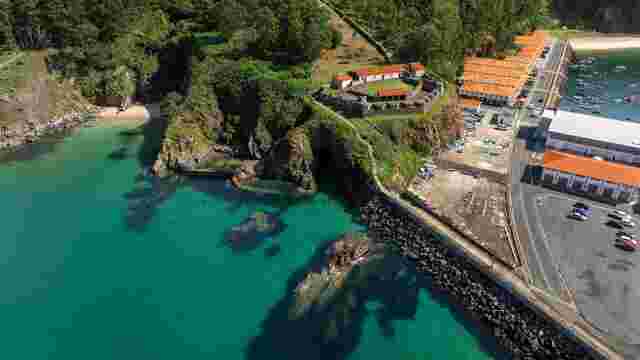
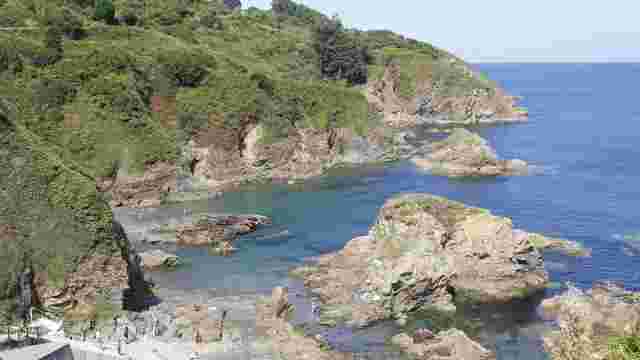
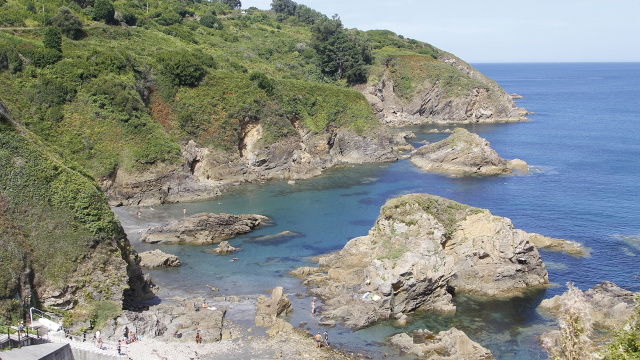
In the peaceful cove of Cala do Peiral, the murmur of the sea accompanies a rugged, rocky coastal landscape, carved out of gneisses that hold secrets from 500 million years ago. Once again, these are the gneisses of Cariño. In these outcrops, these rocks reveal a marked banded character. Alternating layers, originally of varying clay-sand content, reveal their origin in a greywacke flysch: deep marine sedimentary materials that were later compacted under colossal pressures during the formation of Pangea.
Despite the obvious distance, this Cambrian flysch is reminiscent of the famous flyschs of another northern UNESCO geopark, the Basque Coast Geopark. However, in the case of Cabo Ortegal, deformation and metamorphism have obscured many primary features, but offer opportunities for another type of observations and studies.
For visitors, this spot is a window into a time when complex life was beginning to flourish in the oceans. The Cambrian period is characterised by an extraordinary increase in biological diversity. The metasedimentary rocks of the Cabo Ortegal Complex are considered to be Cambrian in age and could be suitable to search for fossils from this period. However, deformation and Variscian metamorphism have eliminated these possible remains. As you walk along the cove, you can see striking minor folds that tell of the intense deformation suffered, while the Atlantic today laps at the rocks like an indifferent witness to the passage of geological time.