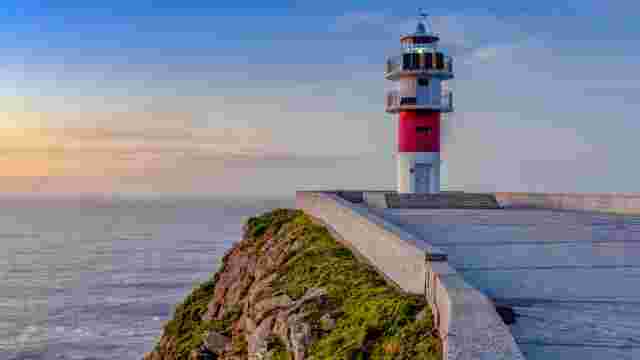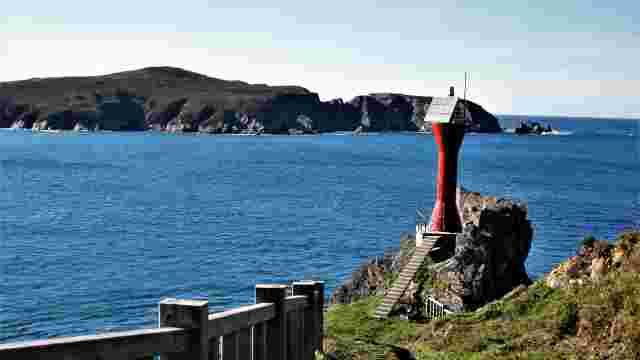
Punta Candeeira lighthouse
A path between two lithospheric plates
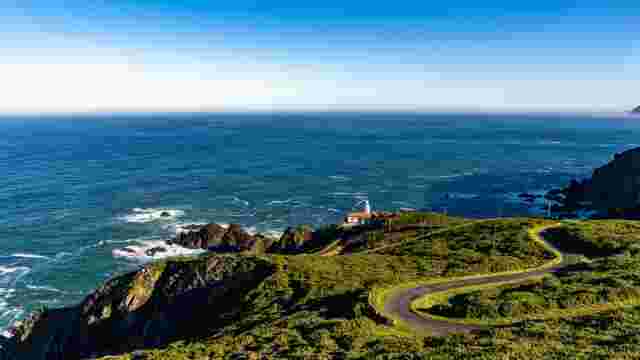
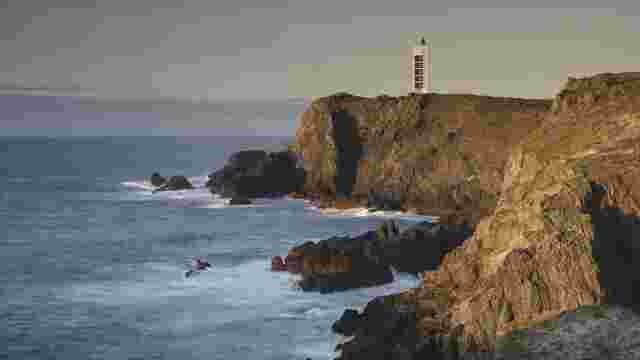
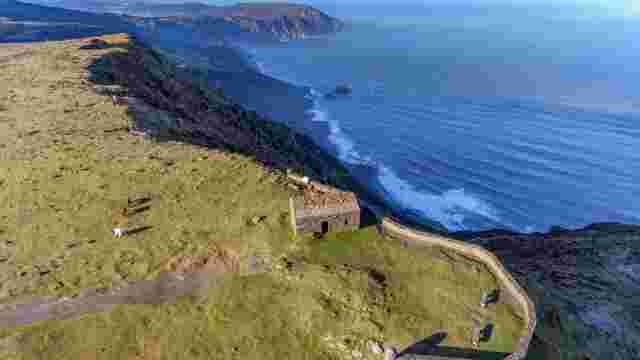
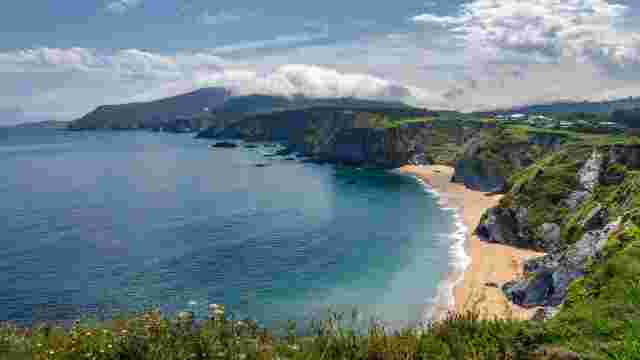
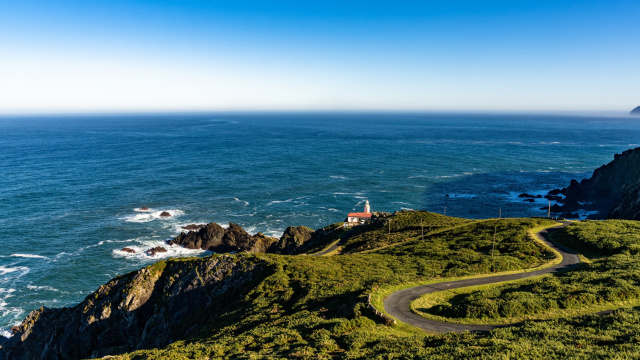
The Punta Candeeira lighthouse marks the point of contact between the upper units of the Cabo Ortegal Complex and the Purrido Ophiolite, two lithospheric plates that were initially different. This ophiolite is the same age as the Moeche Ophiolite, which outcrops on the island of San Vicente. Together with this ophiolite, it forms the remains of the Rheic Ocean, a sea that during the Palaeozoic era was located between the Gondwana supercontinent and the northern continents (essentially Laurasia), before the tectonic shifts that would form Pangaea.
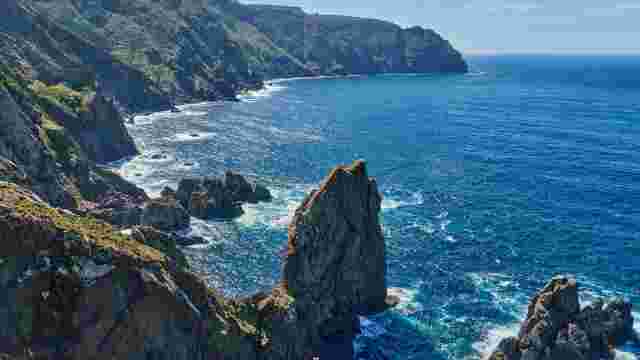
The path that leads us on foot to the lighthouse allows us to observe spectacular folds and other ductile type structures.
In this type of deformation, developed at high temperatures and under strong confining pressure, gneisses and amphibolites are deformed, as if they were plasticine, forming structures that allow us to reconstruct the history of the burial and exhumation of these rocks. The deformation throughout the Cabo Ortegal Complex is ductile-type, although at this point, the observation of this type of structure is particularly striking. These rocks are seemingly silent, perennial witnesses to the sensational tectonic movements that caused entire oceans and continents to appear and disappear.